- 1 ounce vodka
- 2 ounces Apple Pucker liquor
- 1 green apple slice
- 1 maraschino cherry
Showing posts with label vodka. Show all posts
Showing posts with label vodka. Show all posts
apple martini

red high heels

2 ounces berry vodka
4 ounces tonic
Splash grenadine
Mix in a glass filled with ice and garnish with an orange slice.
blue martini
- 1 oz. vodka
- 2 oz. Blue Hawaiian Schnapps
- 1/2 oz. coconut rum
- 2 oz. pineapple juice
- Pineapple wedge

gin
Gin is a juniper berry-flavored grain spirit . The word is an English shortening of Genever, the Dutch word for juniper. The origins of Gin are rather murky. In the late 1580s a juniper-flavored spirit of some sort was found in Holland by British troops who were fighting against the Spanish in the Dutch War of Independence. They gratefully drank it to give them what they soon came to call "Dutch courage" in battle. The Dutch themselves were encouraged by their government to favor such grain spirits over imported wine and brandy by lack of excise taxes on such local drinks.
A clearer beginning was a few decades later in the 1600s when a Dr. Franciscus de la Boë in the town of Leiden created a juniper and spice-flavored medicinal spirit that he promoted as a diuretic. Genever soon found favor across the English Channel; first as a medicine (Samuel Pepys wrote in 1660 of curing a case of "colic" with a dose of "strong water made with juniper") and then as a beverage.
When the Dutch Protestant William of Orange and his English wife Mary became co-rulers of England after the "Glorious Revolution" drove James II from the throne, he moved to discourage the importation of brandy from the Catholic wine-making countries by setting high tariffs. As a replacement he promoted the production of grain spirits by abolishing taxes and licensing fees for the manufacture of such local products as Gin. By the 1720s it was estimated that a quarter of the households in London were used for the production or sale of Gin. Mass drunkenness became a serious problem. The cartoonist Hogarth’s famous depiction of such behavior in "Gin Lane" shows a sign above a Gin shop that states, "Drunk for a penny/Dead drunk for two pence/Clean straw for Nothing." Panicky attempts by the government to prohibit Gin production, such as the Gin Act of 1736, resulted in massive illicit distilling and the cynical marketing of "medicinal" spirits with such fanciful names as Cuckold’s Comfort and My Lady’s Eye Water.
A combination of reimposed government controls, the growth of high-quality commercial Gin distillers, the increasing popularity of imported rum, and a general feeling of public exhaustion gradually brought this mass hysteria under control, although the problems caused by the combination of cheap Gin and extreme poverty extended well into the 19th century.
Starting in the 18th century the British Empire began its worldwide growth; and wherever the Union Jack went, English-style gins followed. In British North American colonies such celebrated Americans as Paul Revere and George Washington were notably fond of Gin, and the Quakers were well-known for their habit of drinking Gin toddies after funerals.
The arrival of the Victorian era in England in the mid-19th century ushered in a low-key rehabilitation of Gin’s reputation. The harsh, sweetened "Old Tom" styles of Gin of the early 1700s slowly gave way to a new cleaner style called Dry Gin. This style of Gin became identified with the city of London to the extent that the term "London Dry" Gin became a generic term for the style, regardless of where it was actually produced.
Middle-class ladies sipped their sloe Gin (Gin flavored with sloe berries). The British military, particularly the officer corps, became a hotbed of Gin consumption. Hundreds of Gin-based mixed drinks were invented and the mastery of their making was considered part of a young officer’s training. The best known of these cocktails, the Gin and Tonic, was created as a way for Englishmen in tropical colonies to take their daily dose of quinine, a very bitter medicine used to ward off malaria. Modern tonic water still contains quinine, though as a flavoring rather than a medicine.
In Holland the production of Genever was quickly integrated into the vast Dutch trading system. The port of Rotterdam became the center of Genever distilling, as distilleries opened there to take advantage of the abundance of needed spices that were arriving from the Dutch colonies in the East Indies. Many of today’s leading Dutch Genever distillers can trace their origins back to the 16th and 17th centuries.
Belgium developed its own juniper-flavored spirit, called Jenever (with a "j"), in a manner similar to that in Holland. The two German invasions of Belgium in World Wars I and II had a particularly hard effect on Jenever producers, as the occupying Germans stripped the distilleries of their copper stills and piping for use in the production of shell casings. The remaining handful of present-day Belgian Jenever distillers produce Jenever primarily for the local domestic market.
Gin may have originated in Holland and developed into its most popular style in England, but its most enthusiastic modern-day consumers are to be found in Spain, which has the highest per capita consumption in the world. Production of London Dry-style Gin began in the 1930s, but serious consumption did not begin until the mix of Gin and Cola became inexplicably popular in the 1960s.
Gin production in the United States dates back to colonial times, but the great boost to Gin production was the advent of National Prohibition in 1920. Moonshining quickly moved in to fill the gap left by the shutdown of commercial distilleries, but the furtive nature of illicit distilling worked against the production of the then-dominant whiskies, all of which required some aging in oak casks. Bootleggers were not in a position to store and age illegal whisky, and the caramel-colored, prune-juice-dosed grain alcohol substitutes were generally considered to be vile.
Gin, on the other hand, did not require any aging, and was relatively easy to make by mixing raw alcohol with juniper berry extract and other flavorings and spices in a large container such as a bathtub. These gins were generally of poor quality and taste, a fact that gave rise to the popularity of cocktails in which the mixers served to disguise the taste of the base Gin. Repeal of Prohibition at the end of 1933 ended the production of bootleg Gin, but Gin remained a part of the American beverage scene. It was the dominant white spirit in the United States until the rise of Vodka in the 1960s. It still remains popular, helped along recently by the revived popularity of the Martini.
A clearer beginning was a few decades later in the 1600s when a Dr. Franciscus de la Boë in the town of Leiden created a juniper and spice-flavored medicinal spirit that he promoted as a diuretic. Genever soon found favor across the English Channel; first as a medicine (Samuel Pepys wrote in 1660 of curing a case of "colic" with a dose of "strong water made with juniper") and then as a beverage.
When the Dutch Protestant William of Orange and his English wife Mary became co-rulers of England after the "Glorious Revolution" drove James II from the throne, he moved to discourage the importation of brandy from the Catholic wine-making countries by setting high tariffs. As a replacement he promoted the production of grain spirits by abolishing taxes and licensing fees for the manufacture of such local products as Gin. By the 1720s it was estimated that a quarter of the households in London were used for the production or sale of Gin. Mass drunkenness became a serious problem. The cartoonist Hogarth’s famous depiction of such behavior in "Gin Lane" shows a sign above a Gin shop that states, "Drunk for a penny/Dead drunk for two pence/Clean straw for Nothing." Panicky attempts by the government to prohibit Gin production, such as the Gin Act of 1736, resulted in massive illicit distilling and the cynical marketing of "medicinal" spirits with such fanciful names as Cuckold’s Comfort and My Lady’s Eye Water.
A combination of reimposed government controls, the growth of high-quality commercial Gin distillers, the increasing popularity of imported rum, and a general feeling of public exhaustion gradually brought this mass hysteria under control, although the problems caused by the combination of cheap Gin and extreme poverty extended well into the 19th century.
Starting in the 18th century the British Empire began its worldwide growth; and wherever the Union Jack went, English-style gins followed. In British North American colonies such celebrated Americans as Paul Revere and George Washington were notably fond of Gin, and the Quakers were well-known for their habit of drinking Gin toddies after funerals.
The arrival of the Victorian era in England in the mid-19th century ushered in a low-key rehabilitation of Gin’s reputation. The harsh, sweetened "Old Tom" styles of Gin of the early 1700s slowly gave way to a new cleaner style called Dry Gin. This style of Gin became identified with the city of London to the extent that the term "London Dry" Gin became a generic term for the style, regardless of where it was actually produced.
Middle-class ladies sipped their sloe Gin (Gin flavored with sloe berries). The British military, particularly the officer corps, became a hotbed of Gin consumption. Hundreds of Gin-based mixed drinks were invented and the mastery of their making was considered part of a young officer’s training. The best known of these cocktails, the Gin and Tonic, was created as a way for Englishmen in tropical colonies to take their daily dose of quinine, a very bitter medicine used to ward off malaria. Modern tonic water still contains quinine, though as a flavoring rather than a medicine.
In Holland the production of Genever was quickly integrated into the vast Dutch trading system. The port of Rotterdam became the center of Genever distilling, as distilleries opened there to take advantage of the abundance of needed spices that were arriving from the Dutch colonies in the East Indies. Many of today’s leading Dutch Genever distillers can trace their origins back to the 16th and 17th centuries.
Belgium developed its own juniper-flavored spirit, called Jenever (with a "j"), in a manner similar to that in Holland. The two German invasions of Belgium in World Wars I and II had a particularly hard effect on Jenever producers, as the occupying Germans stripped the distilleries of their copper stills and piping for use in the production of shell casings. The remaining handful of present-day Belgian Jenever distillers produce Jenever primarily for the local domestic market.
Gin may have originated in Holland and developed into its most popular style in England, but its most enthusiastic modern-day consumers are to be found in Spain, which has the highest per capita consumption in the world. Production of London Dry-style Gin began in the 1930s, but serious consumption did not begin until the mix of Gin and Cola became inexplicably popular in the 1960s.
Gin production in the United States dates back to colonial times, but the great boost to Gin production was the advent of National Prohibition in 1920. Moonshining quickly moved in to fill the gap left by the shutdown of commercial distilleries, but the furtive nature of illicit distilling worked against the production of the then-dominant whiskies, all of which required some aging in oak casks. Bootleggers were not in a position to store and age illegal whisky, and the caramel-colored, prune-juice-dosed grain alcohol substitutes were generally considered to be vile.
Gin, on the other hand, did not require any aging, and was relatively easy to make by mixing raw alcohol with juniper berry extract and other flavorings and spices in a large container such as a bathtub. These gins were generally of poor quality and taste, a fact that gave rise to the popularity of cocktails in which the mixers served to disguise the taste of the base Gin. Repeal of Prohibition at the end of 1933 ended the production of bootleg Gin, but Gin remained a part of the American beverage scene. It was the dominant white spirit in the United States until the rise of Vodka in the 1960s. It still remains popular, helped along recently by the revived popularity of the Martini.
adult root beer

1 ounce root beer vodka
1 ounce vanilla vodka
4 ounces ginger ale or seltzer
Mix in a glass filled with ice and garnish with a cherry.
berry cocktail

1 oz Absolut Berri Açaí Vodka
5 Blueberries
1 oz fresh lime juice
1 oz simple syrup
champagne
blueberries and fresh mint - optional
Muddle the blueberries in a shaker. Add Absolut Berri Açai Vodka, fresh lime juice, simple syrup and ice cubes. Shake and strain into a beautiful champagne flute or a glass with or without ice. Top it off with chilled champagne and garnish with blueberries and mint.
little miss sunshine

1 oz. vodka
1-2 dashes vanilla grenadine
2 oz. orange juice
2 oz. half-and-half
Add vodka, grenadine and juice to shaker with ice. Shake vigorously, then pour the contents into an empty rocks glass. Gently pour half-and-half into the glass.
dark christi
2 oz Christiania Vodka
3 sage leaves
1/4 oz lemon juice
3/4 oz black elderberry concentrate
1 oz pomegranate juice
Put all the ingredients in a shaker and shake. Then strain into a cocktail glass with ice.
red death
1 oz. Vodka
1/2 oz. Southern Comfort
1/2 oz. Sloe Gin
1/4 oz. Triple Sec
1/2 oz. Orange Juice
1/4 oz. Lime Juice
Combine ingredients in a shaker filled with a cup of ice. Shake well and strain into a chilled cocktail glass with or without ice.

1/2 oz. Southern Comfort
1/2 oz. Sloe Gin
1/4 oz. Triple Sec
1/2 oz. Orange Juice
1/4 oz. Lime Juice
Combine ingredients in a shaker filled with a cup of ice. Shake well and strain into a chilled cocktail glass with or without ice.
candy cane martini

½ ounce campari
½ ounce vermouth
1 ½ ounce freshly squeezed orange juice
Candy Cane or colored sugar to garnish
Pour ingredients over ice into a shaker.
Shake and strain in a chilled martini glass.
Put a candy cane in it to finish.
almond joy martini

1 oz. chocolate vodka
1 oz. hazelnut liqueur (like frangelico)
1 oz. coconut rum
1 oz. hazelnut liqueur (like frangelico)
1 oz. coconut rum
Combine all ingredients with ice in a cocktail shaker. Shake until well blended, then strain into a chilled martini glass.
rudolph tini
2 fluid ounces vodka
1 fluid ounce hazelnut liqueur (example-Frangelico)
1 fluid ounce coconut flavored rum
1 fluid ounce half-and-half cream
optional garnish: 2 cinnamon sticks
1 maraschino cherry
- Optional garnish with the cinnamon sticks to look like antlers, and the cherry on the rim to look like a nose.
1 fluid ounce hazelnut liqueur (example-Frangelico)
1 fluid ounce coconut flavored rum
1 fluid ounce half-and-half cream
optional garnish: 2 cinnamon sticks
1 maraschino cherry
Directions
Pour the vodka, hazelnut liqueur, rum, and half-and-half into a cocktail shaker over ice. Cover, and shake until the outside of the shaker has frosted. Strain into a chilled martini glass.- Optional garnish with the cinnamon sticks to look like antlers, and the cherry on the rim to look like a nose.
christmas jello shot

- 2 cups boiling water
- 1 large package (6 oz.) lime Jello (or any green jello)
- 1 cup cold water
- 1 cup vodka
- Splash of bourbon
- Red colored sugar
Pour boiling water over Jello and whisk until combined. Slowly whisk in cold water, vodka, and a splash of bourbon. Pour mixture into cups and refrigerate until set. Sprinkle with red sugar before serving.
**Let the Jello shots set before sprinkling the sugar on top, so the sugar will not bleed into the shots.
cherry pepper martini

1 ounce pepper infused vodka
A few drops of grenadine
Juice of 1/2 lime
Directions: Shake all ingredients in a cocktail shaker with ice. Strain into a martini glass and garnish with a cherry, lime slice or a hot pepper.
white cranberry vodka
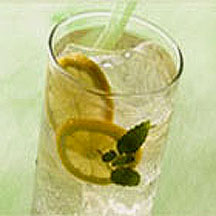
- 5 ounces white cranberry juice
2 ounces vodka
2 ounces ginger ale or seltzer
1 teaspoon lemon juice
Lemon twist, garnish
- Combine all ingredients except garnish in a tall glass with ice. Garnish with lemon twist.
vampire kiss
green dinosaur
- 2 oz Vodka
- 2 oz Gin
- 2 oz Rum
- 2 oz Melon Liqueur
- 2 oz Triple Sec
- 2 oz Sweet And Sour Mix
- 2 oz lemon/lime Soda
- Combine all ingredients and stir
- Serve in a highball glass over ice
fire and ice
1 1/2 ounces Pepper Vodka
1 teaspoon Dry Vermouth
In a shaker glass half-filled with ice cubes, combine both of the ingredients. Shake, then strain into cocktail glass.
mud slide
- 1 oz Vodka
- 1 oz Coffee Liqueur
- 1 oz Irish Cream
- 1 oz Cream
sweet tart shot
1 part Vodka
1 part orange soda
1 part grape soda
Add all ingredients into a Shot glass. Drink.
Subscribe to:
Comments (Atom)